Tracing Support Interactions to Loyalty Advancements Across Portable Gaming and Sports Wagering Applications
Willa Bennett · Nov 10, 2026
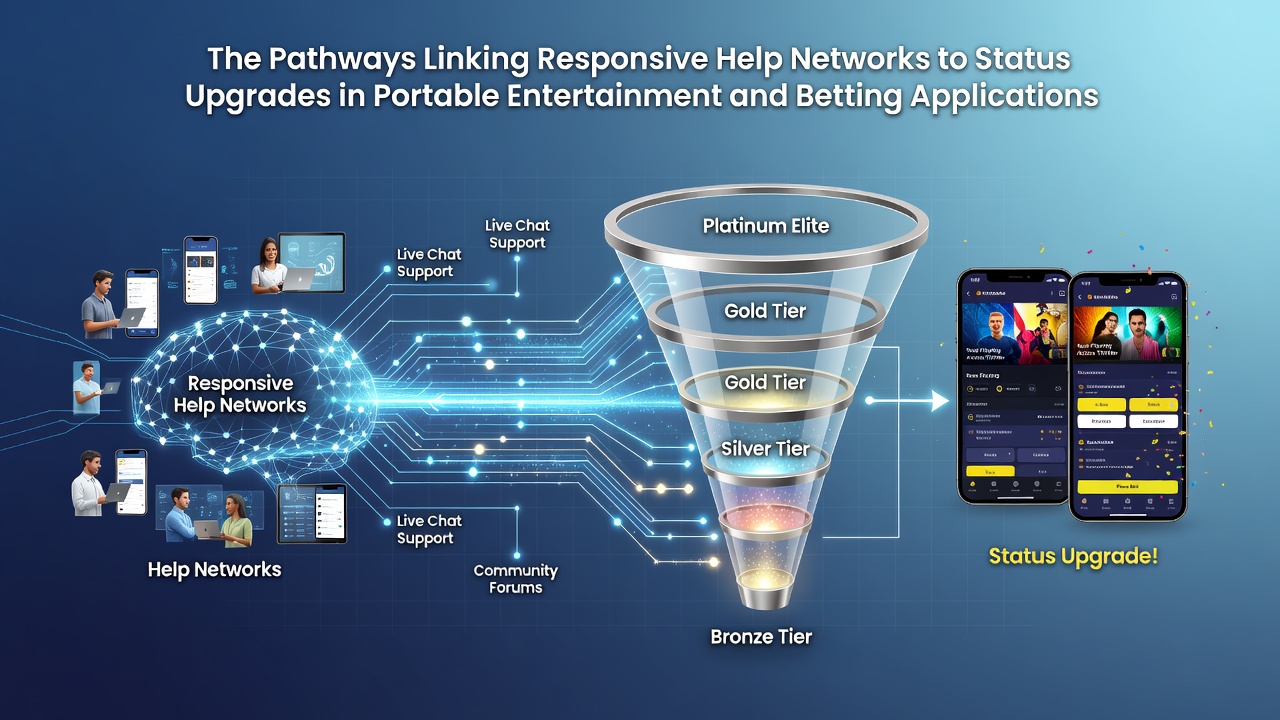
Tracing Support Interactions to Loyalty Advancements Across Portable Gaming and Sports Wagering Applications
Support networks in portable entertainment platforms connect directly to status elevation mechanisms through structured response protocols that accelerate user engagement metrics and reward accumulation, according to industry analyses released in late 2026. Researchers at multiple gaming technology firms have documented how timely assistance on mobile interfaces reduces friction in account management and transaction processing, thereby channeling activity into loyalty systems that govern tier progression in both casino-style games and sports prediction tools.
November 2026 figures from regional regulatory filings revealed steady growth in mobile session durations when support response times stayed under three minutes, a threshold linked to increased deposit frequency and bonus redemption rates across handheld devices. Observers note that these patterns emerge consistently because responsive help teams resolve issues such as verification delays or game loading errors before they interrupt play sequences, allowing continuous point collection that feeds into automated upgrade algorithms.
Mechanisms Connecting Assistance to Tier Movement
Help networks operate through integrated chat systems, ticket tracking, and escalation paths that feed performance data back into loyalty platforms, and this feedback loop accelerates recognition for frequent users. Data from platform operators shows that accounts receiving multiple successful interventions within a single month often advance one or two levels faster than those without contact, since resolved queries prevent abandonment and sustain the activity volume required for milestone rewards. Experts tracking these flows emphasize that the pathways remain algorithmic rather than discretionary, with support logs serving as inputs that trigger bonus multipliers or priority access features once certain thresholds are met.
Take one documented case where a regional operator in Southeast Asia adjusted its mobile support staffing in early 2026, after which average resolution times dropped and subsequent loyalty tier upgrades rose by double digits in the following quarter. Studies from academic groups examining user retention confirm that seamless assistance correlates with higher lifetime value because players maintain momentum through slot sessions, live dealer tables, and event-based wagers without interruption.
Role of Real-Time Channels in Reward Accumulation
Portable applications deploy push notifications and in-app messaging to route users to live agents during peak hours, and this immediacy preserves session continuity that directly influences status metrics. Figures released by the American Gaming Association indicate mobile wagering volumes expanded notably through the third quarter of 2026, with operators attributing part of the increase to support infrastructure that handles payment disputes and game rule clarifications without forcing users to exit the application. When these interventions occur rapidly, accumulated play data updates loyalty dashboards in real time, unlocking higher reward tiers that include enhanced cashback rates and exclusive event forecasts.
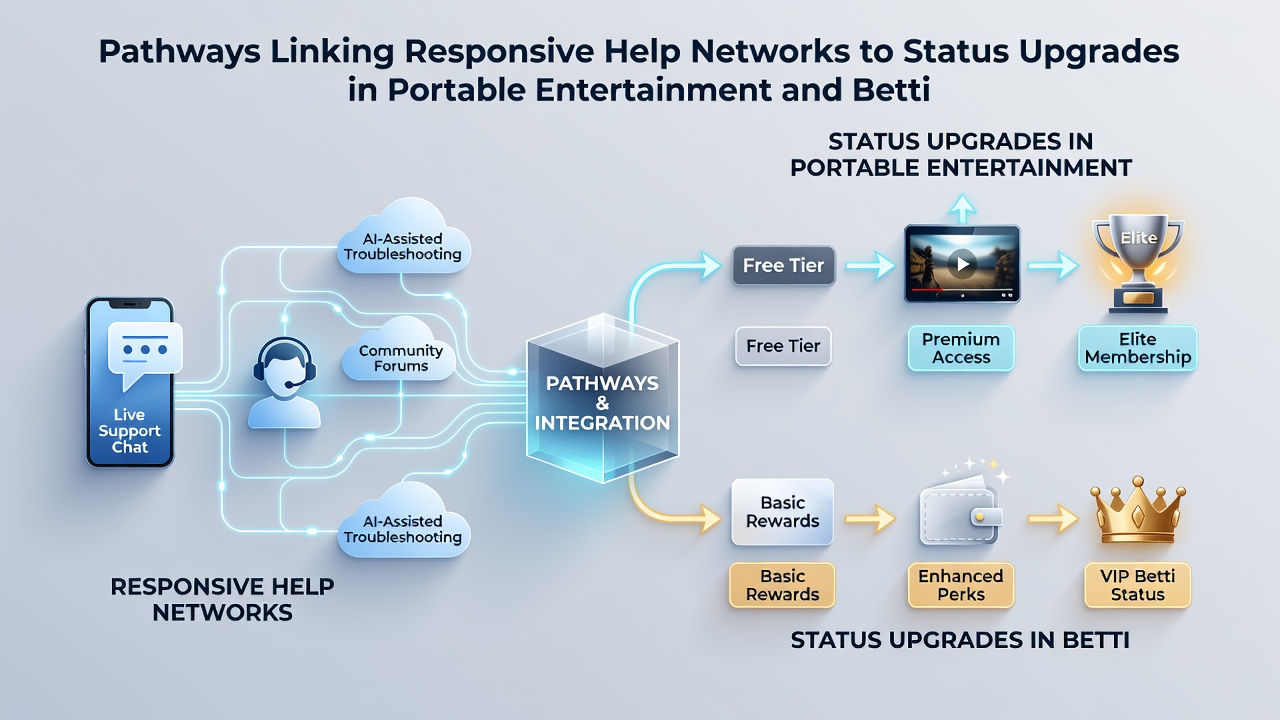
But here's the thing: not every pathway requires direct human contact. Automated help layers using decision trees often resolve basic queries about bonus eligibility or withdrawal status, and successful automation logs still contribute to engagement scores that feed status calculations. Those who've examined platform architectures observe that both human and scripted responses contribute to the same data pool, creating multiple routes toward the same upgrade milestones across wireless reel spins and athletic outcome speculation tools.
Regional Patterns and Platform Variations
European operators have reported similar linkages in regulatory submissions, where mobile-first markets demonstrate stronger correlations between support volume and tier movement compared with desktop-dominant regions. A research paper published by a Canadian academic consortium in mid-2026 examined anonymized transaction records and found that users engaging support channels at least twice per month reached mid-tier status roughly 18 percent sooner than non-contact users, controlling for overall activity levels. This pattern holds across entertainment categories because resolved issues free cognitive resources for continued participation rather than troubleshooting.
Platform variations appear when operators integrate support metrics with third-party loyalty engines, allowing cross-game progress that spans live dealer sessions and sports prediction markets on the same handheld device. Industry organizations tracking these integrations note that standardized APIs between help desks and reward systems reduce latency in status updates, which in turn sustains user motivation through visible progress indicators.
Conclusion
Evidence accumulated through 2026 demonstrates that responsive help networks function as measurable inputs within larger loyalty architectures on portable entertainment and betting platforms. The connections operate via data pipelines that convert interaction outcomes into engagement signals, which algorithms then translate into tier advancements and associated privileges. As mobile volumes continue to expand, operators and researchers alike continue to map these pathways to refine both support delivery and status recognition processes across global markets.